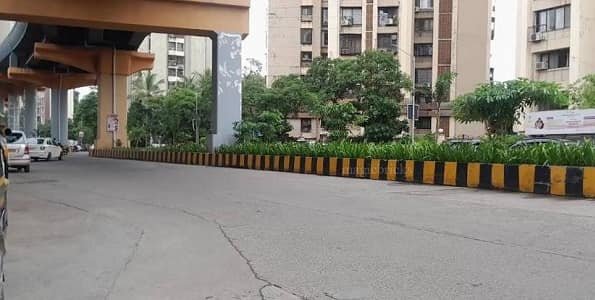
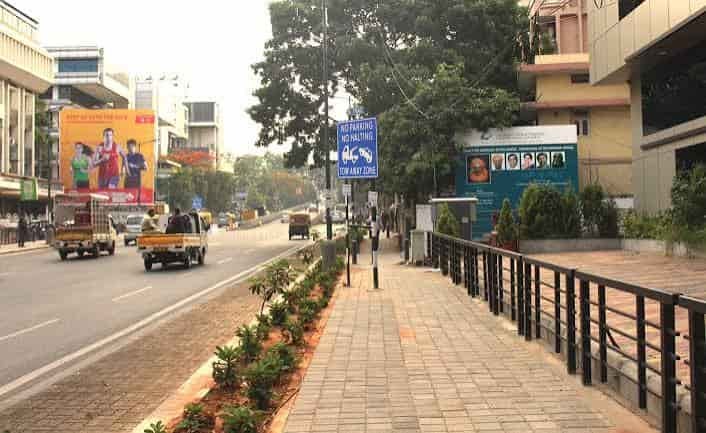
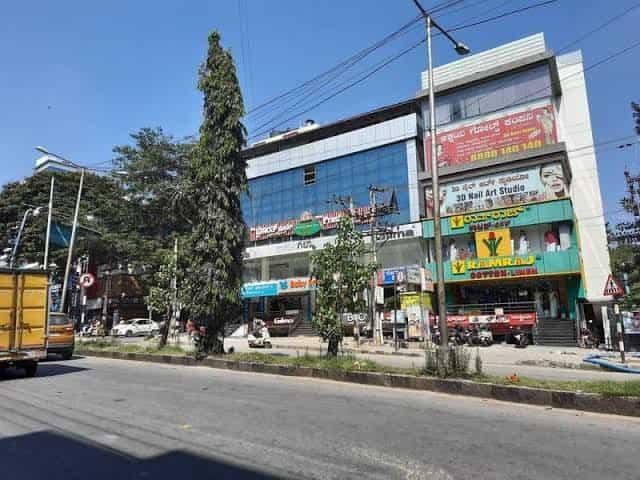
Seventeenth-century fort ruins sit within walking distance of one of central Mumbai’s busiest traffic junctions — a reminder that Sion’s identity runs a lot deeper than the congestion it’s known for today. Sion Circle anchors this historically rich neighbourhood, and despite the traffic complaints that dominate local reviews, it remains one of the most genuinely central, well-connected junctions in the city.
Bordered by Dharavi, Antop Hill, Chembur, and Kurla, Sion sits almost dead-centre in Mumbai’s geography — which is exactly why this circle carries so much daily traffic.

Sion Circle Overview
| Detail | Information |
| Location | Sion East, central Mumbai |
| Bordering Areas | Dharavi (west), Antop Hill (south), Chembur (east), Kurla (north) |
| Nearest Railway Stations | Sion (Central Line), Chunabhatti (Harbour Line) |
| Major Roads | Eastern Express Highway, Sion-Trombay Road, Sion-Panvel Highway |
| Distance to Airport | ~9 km |
| Distance to BKC | ~5-6 km |
| Metro Status | No direct line yet; Line 3 development expected to improve access |
Why Sion Sits at the Centre of Everything
Sion’s geography is its biggest asset. Sitting close to Matunga, Dadar, Wadala, and Chunabhatti, the neighbourhood functions as a genuine crossroads between South Mumbai, the eastern suburbs, and Navi Mumbai. That central position is precisely why Sion Circle handles such heavy daily traffic — it’s not a destination junction so much as a passage point that half the city ends up using at some point.
Getting to Sion Circle
Multiple transport layers converge here, giving residents and visitors several practical routes:
- By train: Sion Railway Station on the Central Line and Chunabhatti Railway Station on the Harbour Line both serve the area directly
- By road: The Eastern Express Highway provides fast access toward Thane and the northern suburbs, while Sion-Trombay Road connects to Mumbai’s eastern suburbs
- Via Sion-Panvel Highway: This 25-km corridor stretches from Sion all the way to the Mumbai-Pune Expressway near Panvel, making the circle a genuine gateway toward Navi Mumbai
- For long-distance travel: Dadar Railway Station is about 3 km away, and Lokmanya Tilak Terminus sits roughly 7 km out
Metro Connectivity: Still a Work in Progress
Unlike many central Mumbai localities, Sion currently lacks direct metro access — a gap residents consistently flag in local reviews. That said, change is on the horizon:
- Mumbai Metro Line 3 (Colaba-Bandra-SEEPZ) development is expected to improve broader connectivity to the area
- Upcoming metro stations planned for Dharavi, BKC, and Wadala should significantly boost Sion’s access once operational
- Until then, residents rely on the Central and Harbour rail lines alongside road transport
What’s Around Sion Circle
The immediate neighbourhood blends education, healthcare, and heritage in a fairly tight radius:
- Education: SIES College of Arts, Science, and Commerce, along with Sadhana Education Society’s High School
- Healthcare: Sion Hospital (Lokmanya Tilak Municipal General Hospital) and Hinduja Hospital, both offering comprehensive medical care
- Heritage: Sion Fort, 17th-century ruins that give the area genuine historical weight
- Nature: Maharashtra Nature Park, a green space offering a break from the area’s density
- Markets and commerce: A bustling mix of shops, markets, and business establishments cluster directly around the circle
The Trade-offs Worth Knowing
Sion Circle’s central location is also its biggest challenge. Residents consistently cite traffic congestion during peak hours as the area’s most significant drawback, alongside noise pollution and general crowding tied to the high commercial activity right at the junction. Property in the immediate Sion Circle zone reflects this premium positioning too — average rates run considerably higher than in some surrounding pockets of Sion, given the location’s commercial pull.
Employment and Business Proximity
For working professionals, Sion’s location offers genuine practical advantages:
- Bandra Kurla Complex (BKC) — roughly 5-6 km away, one of Mumbai’s major employment hubs
- Kurla, Lower Parel, Prabhadevi, Dadar, and Mahim — all within reasonable commuting distance
- Colaba and Nariman Point — Mumbai’s traditional business districts, about 15-17 km away
FAQs
Q1. Does Sion Circle have metro access currently?
Not yet directly — this is one of the most commonly cited gaps by residents. Metro Line 3 development and planned stations in nearby Dharavi, BKC, and Wadala are expected to improve this over time, though residents currently rely on the Central and Harbour railway lines.
Q2. How far is Sion Circle from Mumbai’s international airport?
Approximately 9 km, typically covering the distance in 30-40 minutes depending on traffic conditions — a reasonably convenient distance for a central Mumbai location.
Q3. Is Sion Circle a good base if I work near BKC?
Yes, genuinely — at roughly 5-6 km away, it’s one of the more practical, comparatively affordable areas from which to commute to Bandra Kurla Complex, especially compared to living directly within BKC itself.
Q4. What’s the biggest downside of living or working near Sion Circle?
Traffic congestion during peak hours is the most consistently mentioned issue, along with noise and crowding tied to the area’s heavy commercial activity — worth factoring in if you’re planning a daily commute through this junction.